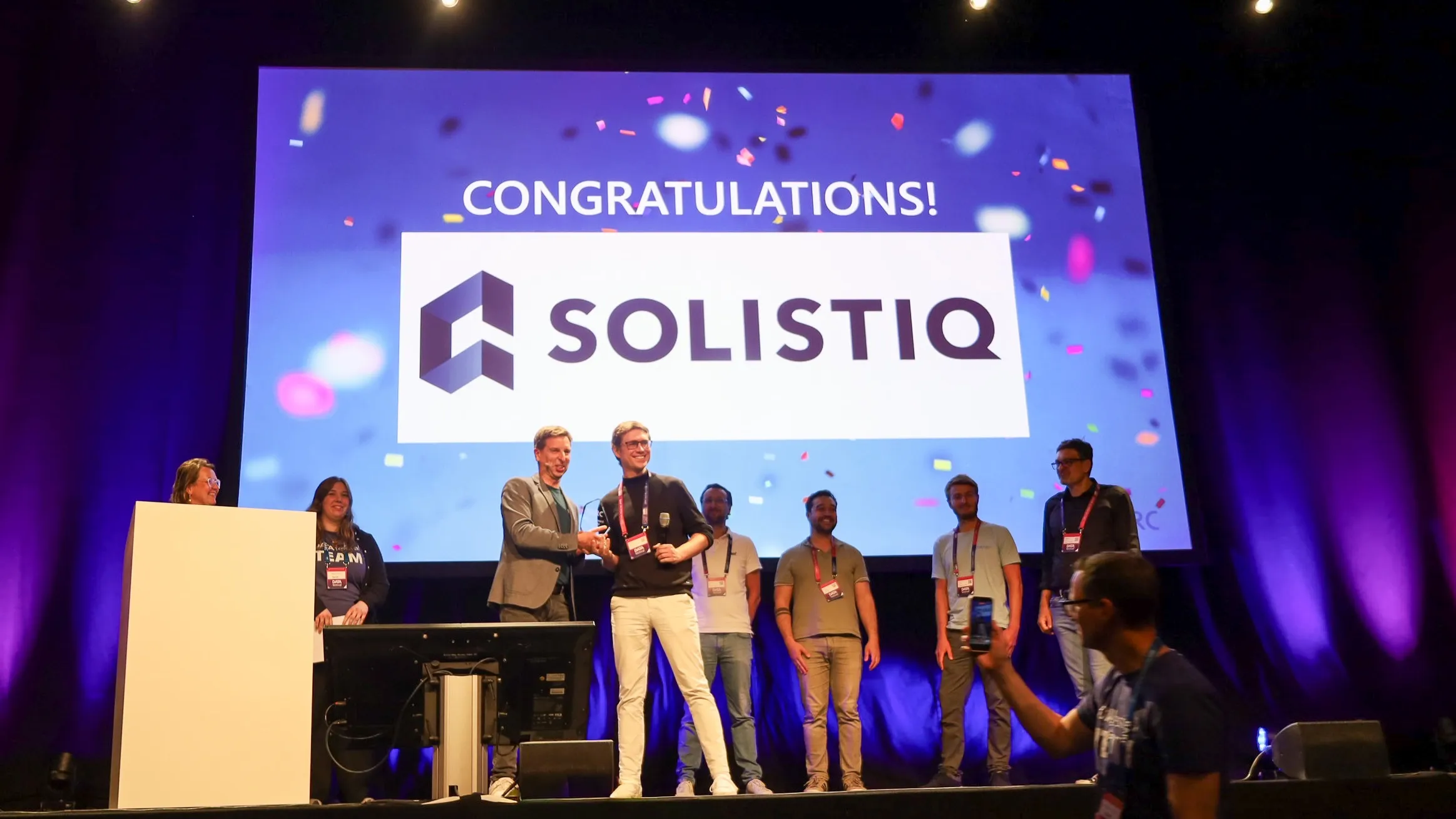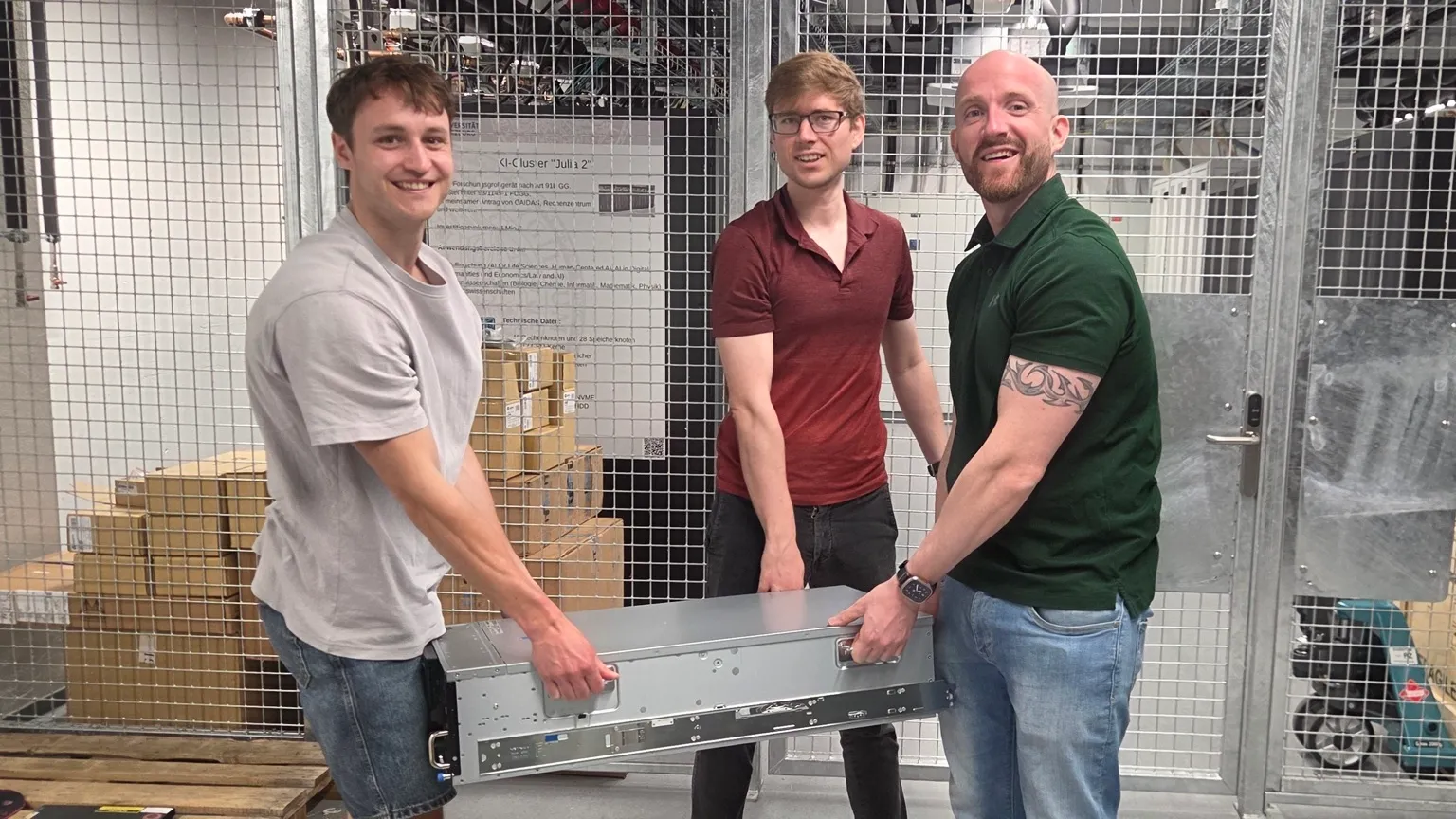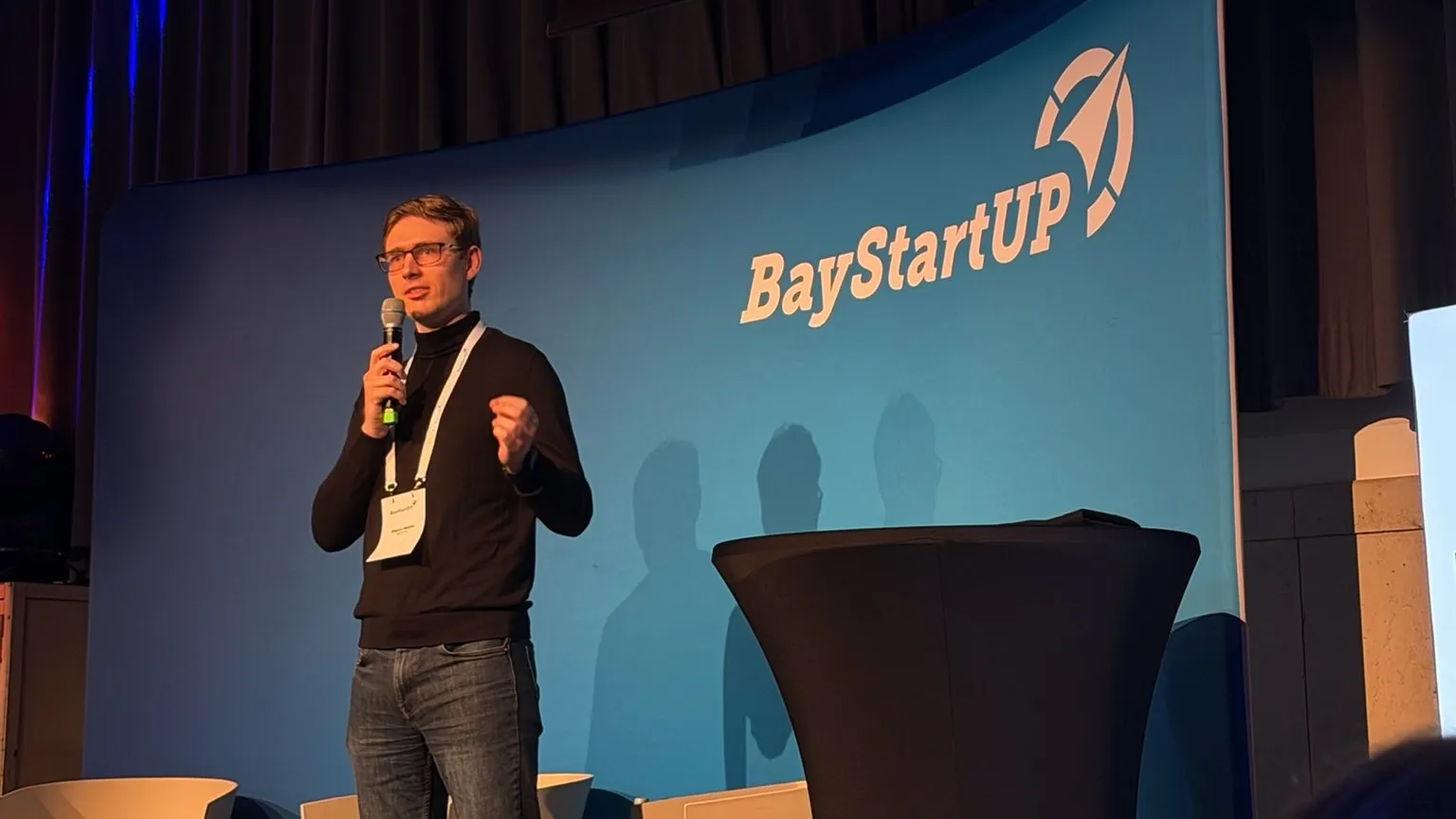


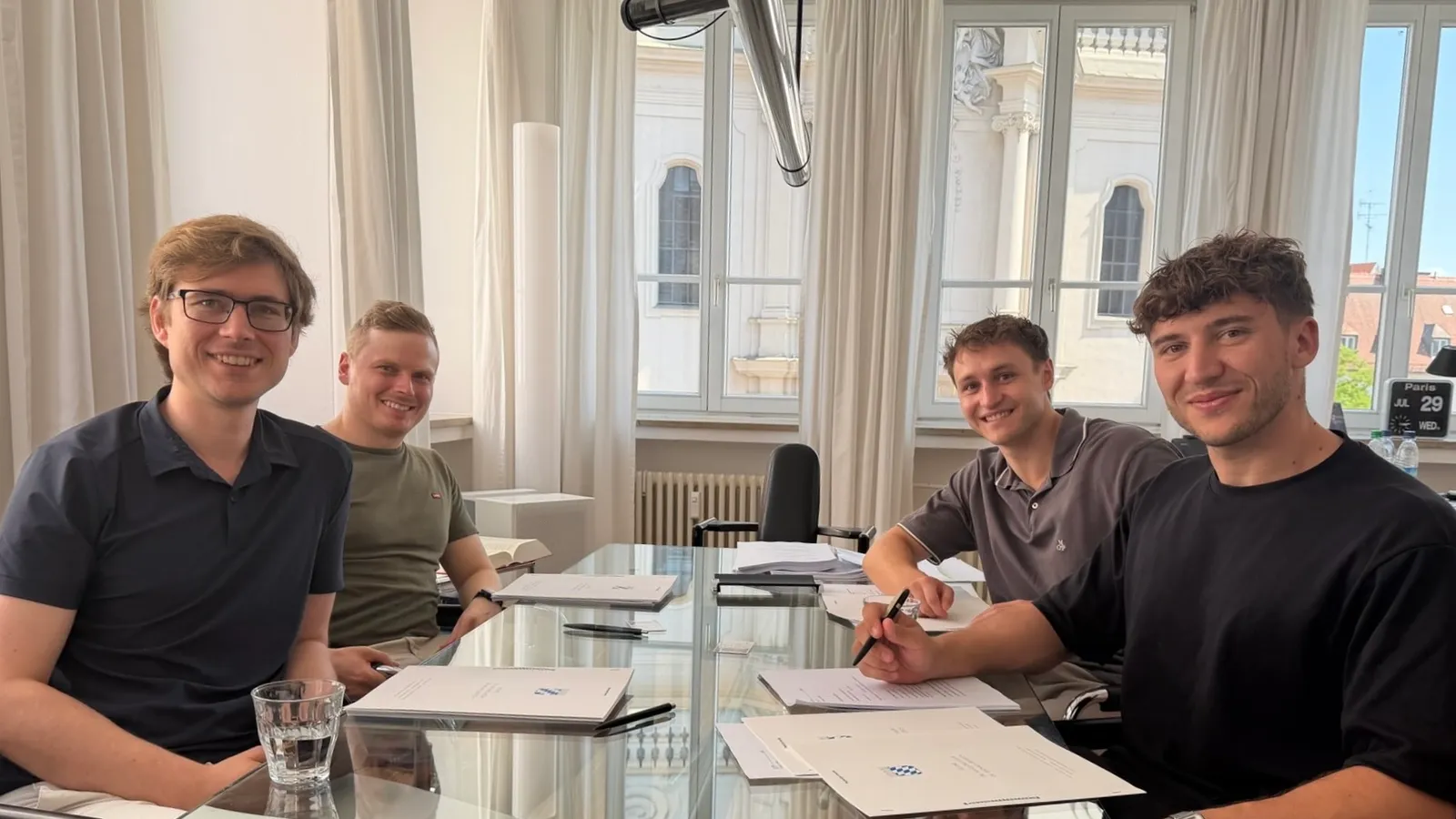
From Würzburg into practice: where SOLISTIQ comes from
In this article
SOLISTIQ starts with an experience from many research and industry projects: every new company needed its own forecasting model. That raised a question: could a single model be enough, one that understands demand in principle?
Every project started the same way. A company gave us its sales data, and we built a forecasting model that fit exactly that assortment. The results were good. But with the next company, we started from scratch again.
SOLISTIQ grew out of that experience. Not out of the question of how to make a single model a little more accurate, but out of the question of why you have to build a new one for every company at all.
Many projects, many individual models
SOLISTIQ is a spin-off of Julius-Maximilians-Universität Würzburg (JMU). We come from the Data Driven Decisions research group, which has worked on machine learning and AI for operational planning and logistics for more than ten years – in funded research projects and together with companies in the field.
In these projects we built forecasting models for individual companies again and again. Each time that meant: preparing data, selecting drivers, training models, tuning, validating. New for every assortment, often separately for each product group. Every model contained a lot of manual work and a lot of knowledge about that one specific case.
For a single project, that works. But it does not scale. Every new company means building from scratch, and every model has to be maintained as soon as the assortment changes. For new products and slow movers, there is often no history for an individual model to learn from in the first place.
The idea: one model that understands demand in principle
At some point we turned the question around. In every project we found the same patterns: seasonality, promotions, trends, intermittent demand. So why not one model that learns all of this once, across many companies and industries?
Many people know the principle from ChatGPT: a language model learns from a vast amount of text how language works, and can then handle texts it has never seen. We wanted to build such a “foundation model” for demand forecasting: pre-trained on sales over time and transferable to products and companies it has never seen.
We trained the first version in 2024. Today our model Q-Foundry is pre-trained on the sales histories of around 2.5 million products with more than 1.5 billion data points. It forecasts every product without retraining – including new and data-poor items. Instead of starting from zero for every company, the model already brings its knowledge of demand. The research behind it is published at the leading AI conferences, including NeurIPS and ICLR.
From research to a company
Working with the first companies showed what this means in practice: the effort shifts from building models to the actual question of how well inventory is planned. And the companies wanted more than a research result – they wanted a solution that runs in day-to-day operations for good. SOLISTIQ GmbH was founded in 2026 to build exactly that solution.
A good forecast is only the beginning. In the warehouse, what counts in the end is the order: how much, when, from which supplier. So SOLISTIQ turns the forecast into concrete order proposals that account for stock, lead times, minimum order quantities and costs, and follow the company’s targets, for example on service level.
And we learned a second thing: a good AI model alone is not yet a good product. An order recommendation only helps if the people in purchasing and replenishment can follow it and are free to disagree when they know something that is not in the data.
That is why Q-Foundry comes with a second building block: Agent Q. An AI agent translates in both directions: it explains every forecast and recommendation in natural language, answers follow-up questions and brings the planners’ domain knowledge into forecasting and planning logic – forecasts, master data and planner knowledge become order proposals that can be explained.
A black box becomes a digital colleague.
What we take with us from Würzburg
From the many individual projects we took away one conviction: good planning must not depend on an expert team first building a model for every company. It has to work for the whole assortment from day one, for the fast mover just as for the product that was listed three weeks ago.
From research we also bring a way of working. A new method only goes into the product once it has beaten established methods on real data, in a fair comparison and not in a best-case scenario. International experts reviewed the foundations of our model in peer review before we published them. And we do not measure what looks good on a slide, but what a company feels: inventory, service level, costs.
For our customers this means: behind every recommendation there is a method that has proven itself, not gut feeling cast into software.
The model is the foundation, not the goal. What counts in the warehouse in the end is a good order.
In the next article we show why a good forecast alone is not enough for that: two warehouses, one product, the same forecast and still two completely different orders. Want to know how Q-Foundry handles your assortment?
Talk to us.